

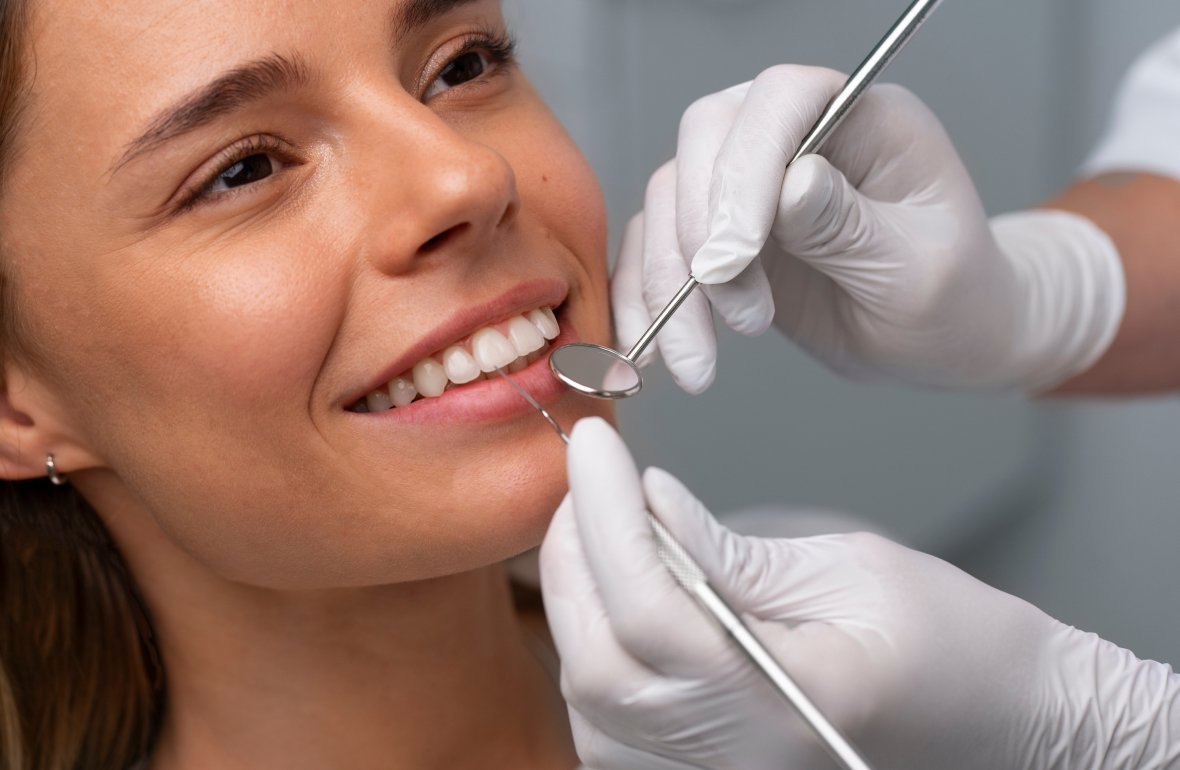
Crowns & Ceramic Restorations
Crowns and ceramic restorations are among the most advanced, durable, and natural-looking solutions in modern restorative dentistry. These treatments rebuild damaged, weakened, or aesthetically compromised teeth using high-strength materials that mimic natural enamel. Supported by strong scientific evidence, today’s ceramic restorations emphasize preservation of tooth structure, biocompatibility, and long-term success, making them a cornerstone of contemporary dental care.
Why Crowns and Ceramic Restorations Are Needed
Teeth may need crowns or ceramic restorations for several reasons:
Extensive decay or fracture
Weakened tooth structure after large fillings
Root canal–treated teeth
Worn teeth from grinding
Cracks (cracked-tooth syndrome)
Cosmetic concerns such as discoloration or shape issues
When a tooth loses significant structure, evidence shows that full-coverage crowns or partial ceramic restorations (inlays, onlays, overlays) provide superior reinforcement compared with large composite fillings. These restorations act like a protective shell, distributing chewing forces more evenly and preventing further fracture.
Modern Ceramic Materials: Strong, Safe, and Highly Aesthetic
Advances in dental materials have revolutionized ceramic restorations. Current ceramics include:
Lithium disilicate (e.g., IPS e.max) – known for exceptional aesthetics and high strength
Zirconia – extremely strong, ideal for high-bite-force areas
Hybrid ceramics and resin-ceramic blends – offer flexibility and shock absorption
Feldspathic porcelain – highly aesthetic for conservative veneers
Numerous studies show that modern ceramics combine strength with translucency, allowing restorations to look remarkably natural while resisting fracture and wear.
Types of Ceramic Restorations
Dentistry now offers several ceramic options based on the amount of tooth structure remaining:
1. Full Crowns
A crown covers the entire visible portion of a tooth, providing maximum protection. Literature demonstrates that crowns significantly reduce the risk of future fractures, especially in root canal–treated teeth or heavily restored teeth.
2. Onlays & Overlays (Partial Crowns)
These are minimally invasive alternatives that preserve more natural enamel. They replace only the damaged portion of the tooth while reinforcing the entire structure. Research supports their excellent long-term survival rates, often equal to full crowns.
3. Inlays
Ideal for moderate cavities, inlays are stronger and more durable than traditional fillings, particularly in cases where precise fit and longevity are important.
4. Veneers
Thin ceramic shells used to improve shape, color, and alignment. Veneers are conservative, requiring minimal enamel removal, and supported by decades of scientific data showing long-lasting aesthetic and functional success.
How the Treatment Process Works
A typical crown or ceramic restoration procedure includes:
1. Comprehensive Examination
Your dentist assesses tooth health using digital X-rays, bite analysis, and clinical evaluation. The goal is to determine whether a crown, onlay, or veneer is the best solution based on remaining tooth structure.
2. Tooth Preparation
Only the necessary amount of enamel is shaped to ensure a precise fit. Modern adhesive dentistry allows for conservative preparations, especially with lithium disilicate and bonded ceramics.
3. Digital Scans
Most practices now use 3D intraoral scanners instead of traditional impressions. Digital workflows improve accuracy, comfort, and precision.
4. Temporary Restorations
A provisional crown protects the tooth while the final ceramic restoration is fabricated.
5. Final Bonding or Cementation
The ceramic restoration is tried in, color-matched, adjusted for comfort, and bonded using advanced adhesive systems. Proper bonding strengthens the tooth-ceramic interface and significantly increases longevity.
Benefits Supported by Modern Research
Excellent longevity: Ceramic crowns and onlays have survival rates exceeding 90% over 10+ years.
Biocompatibility: Ceramics do not irritate gums and resist staining.
Natural aesthetics: They closely mimic enamel’s translucency and light reflection.
Strength and durability: Modern ceramics withstand high chewing forces.
Minimally invasive options: Partial restorations preserve tooth structure and reduce long-term complications.
Caring for Ceramic Restorations
Maintenance includes:
Routine brushing and flossing
Regular dental checkups
Avoiding habits like ice chewing or biting hard objects
Nightguards for patients who grind or clench
Studies show that with proper care, ceramic restorations can last many years, providing function and beauty with minimal maintenance.